The right sympathy gift does not fix grief — nothing does. But it can say, quietly and clearly, “I see what you are carrying, and I am here.” This guide offers more than twenty genuine, practical ideas, organized by category, along with honest guidance on timing and what to avoid.
What Makes a Thoughtful Memorial or Sympathy Gift?
Before getting to the list, it helps to understand what makes a gift land well versus fall flat.
The best sympathy gifts are personal, lasting, and useful. They acknowledge the specific person who died, not just the general fact of loss. They can be used or displayed or worn — not stored in a box out of obligation. And they give the grieving person something to hold onto, literally or figuratively, when grief is heaviest.
The worst sympathy gifts are impersonal, perishable, or burdensome. Generic fruit baskets are consumed and forgotten. Gifts that require a thank-you note create an obligation. Gifts that are really for the giver — things chosen to make the giver feel helpful rather than the recipient feel supported — can miss the mark entirely.
Timing matters more than perfection. A gift given six months after a loss, when everyone else has gone back to their lives, is often more meaningful than a dozen gifts given in the first week. Grief has a long tail. So can kindness.
Practical help is a gift too. Meal delivery, errand-running, and childcare are not lesser options than a keepsake. They are often what the grieving person most desperately needs but least knows how to ask for.
With that in mind, here are more than twenty ideas organized by category.
Category 1: Cremation Keepsakes
These are the most personal memorial gifts — ones that hold or represent the person who died in a tangible way.
1. Keepsake Urn
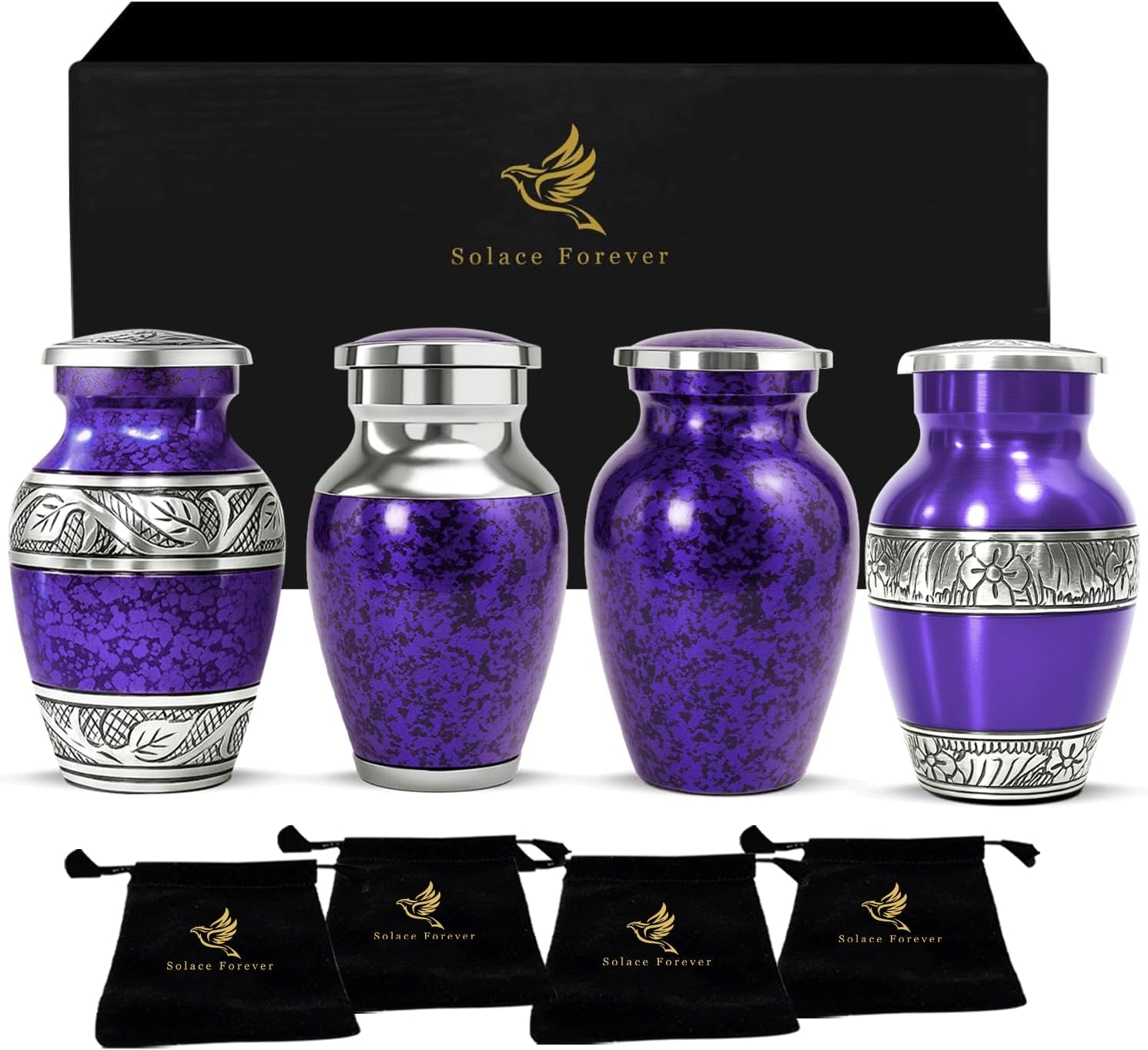
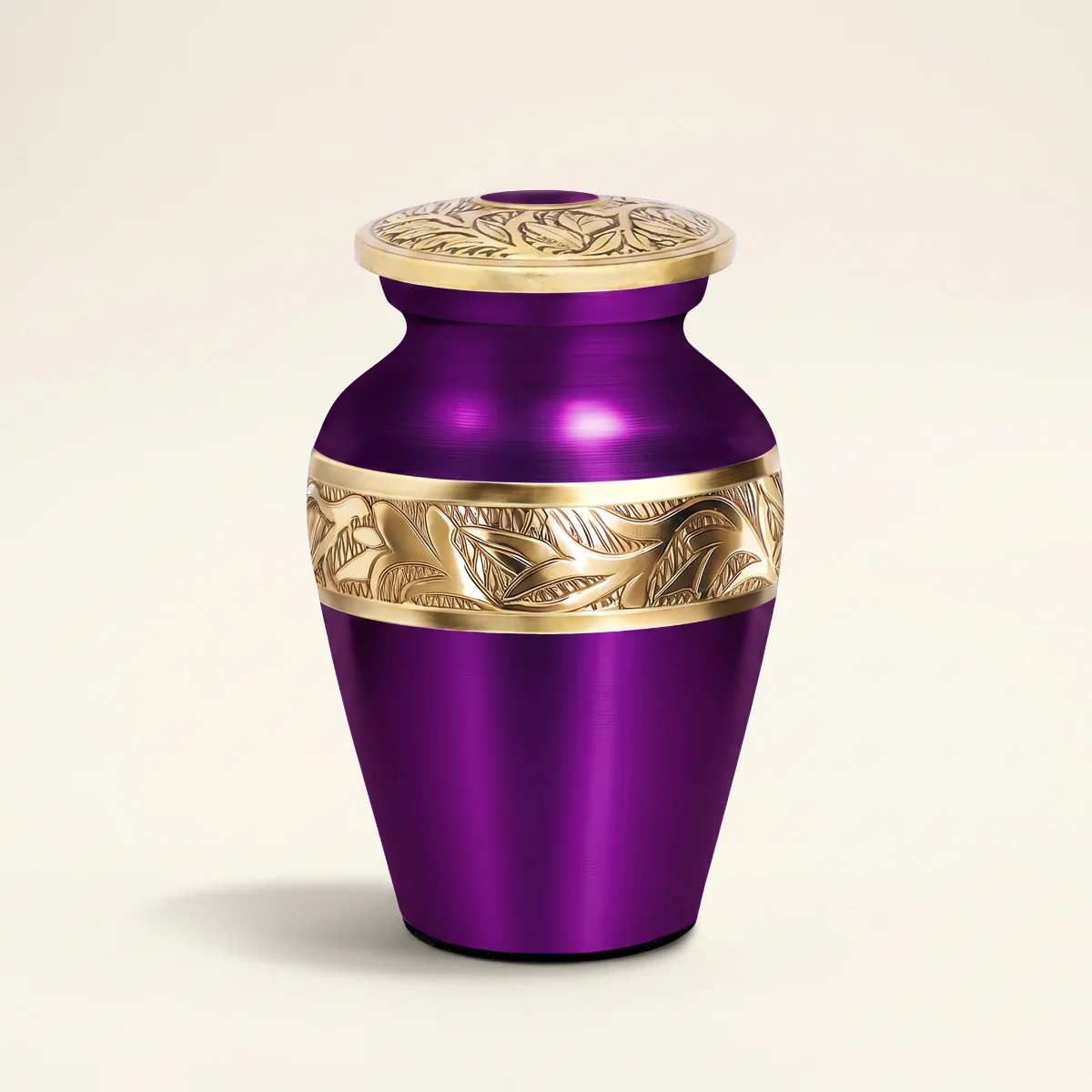
A keepsake urn is a small, beautiful urn designed to hold a personal share of cremated remains. If the family has already handled cremation, a keepsake urn allows a close friend or family member — a sibling, an adult child, a spouse’s parent — to have their own private memorial at home. Give it empty, with a gentle note explaining what it is. Let the recipient decide if and when they fill it.
Keepsake urns range from elegant heart shapes to nature-inspired designs and can often be engraved. A matched set of four is a meaningful gift for a family that wants to share ashes among multiple households.
2. Cremation Jewelry
A pendant, bracelet, or ring with a small chamber that holds a trace of cremated remains, a lock of hair, or a dried flower. Cremation jewelry is ideal for someone who wants to carry their loved one with them every day without displaying a visible urn. It is discreet, beautiful, and deeply personal.
Give it unfilled, with a small funnel and a note about how to fill it. This lets the recipient complete the ritual themselves, which many people find meaningful.
3. Heart Urn
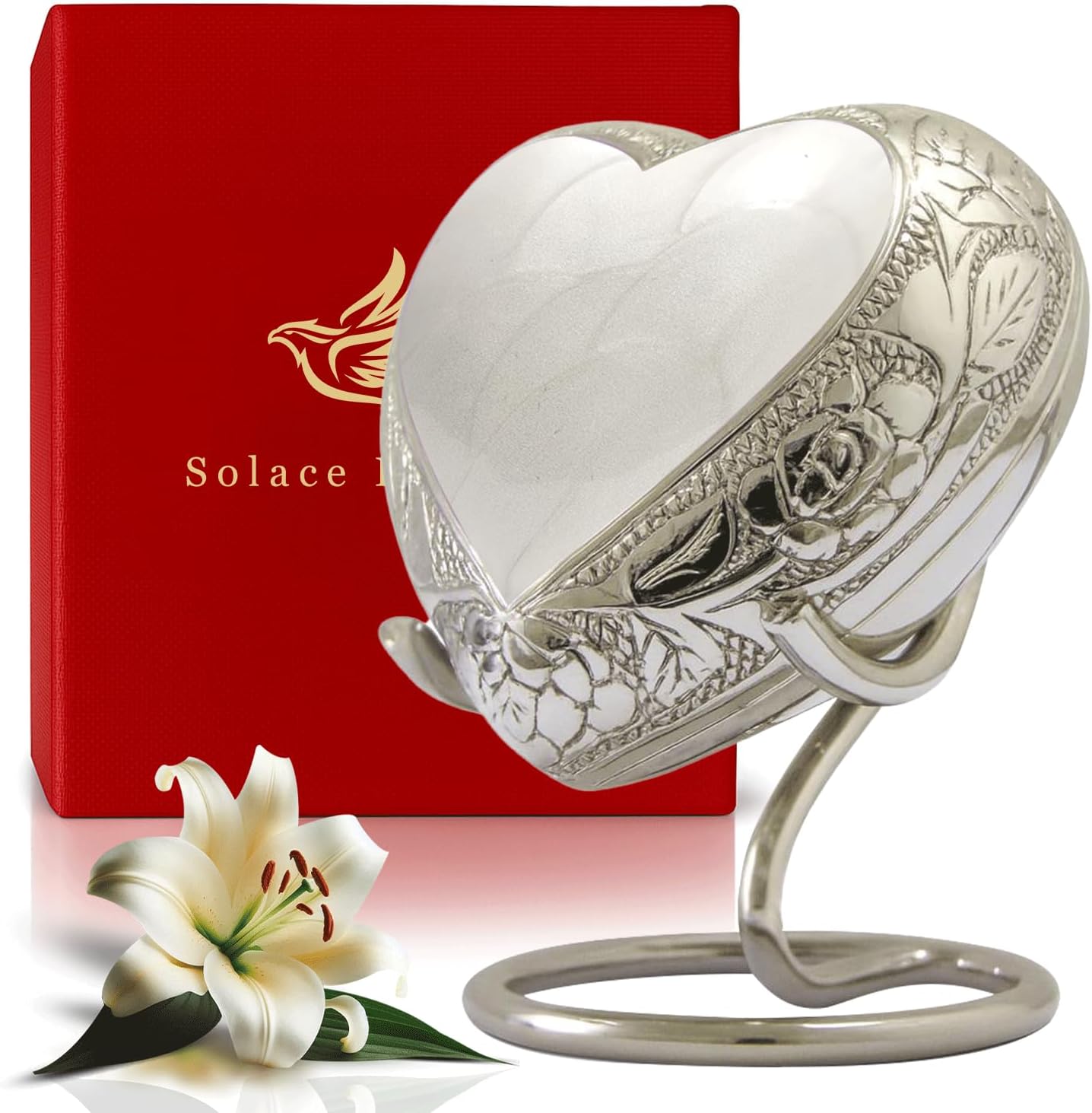
A heart-shaped urn communicates love without requiring explanation. Heart urns are available as full-size pieces and as smaller keepsake sizes. They suit partners, parents, and close friends especially well. A heart urn as a sympathy gift says something that words sometimes cannot.
4. Memorial Box or Shadow Box
A wooden or glass-fronted box where the recipient can gather meaningful objects — a photograph, a folded note, a piece of fabric, a small keepsake. Memorial boxes are not designed to hold ashes; they are meant to hold memories. Many people find the act of assembling one to be a quiet, healing ritual.
Category 2: Personalized and Engraved Gifts
Personalization transforms a beautiful object into a truly one-of-a-kind memorial. These gifts require a name, a date, a phrase, or a photograph — which means you need to gather that information before ordering, so plan for extra lead time.
5. Engraved Jewelry
A bracelet, necklace, or ring engraved with a name, initials, a date, or a short phrase. This is distinct from cremation jewelry in that it does not hold ashes — it simply carries a name or inscription. Clean, wearable, and lasting.
6. Custom Portrait
A hand-drawn or digitally created portrait of the person who died, based on a photograph. Artists who specialize in memorial portraits can be found on platforms like Etsy. A portrait in the style of a charcoal sketch, watercolor, or oil painting can be a beautiful piece for a family’s home.
7. Personalized Garden Stone
A stone engraved with a name and a short message, designed to be placed in a garden or outdoor space. Good for people who find comfort in being outside and who have a garden or yard where they will see it often.
8. Custom Star Map
A print showing the night sky as it appeared on a meaningful date — the day the person was born, the day they died, or a date that was important to them. Framed, it becomes a permanent piece of art with a private meaning.
9. Memory Book or Printed Photo Book
A curated photo book covering the life of the person who died. Services that print photo books from uploaded images are easy to use and produce beautiful results. If you can gather photographs from family members before ordering, the result is more meaningful than anything a single person could assemble alone.
Category 3: Comfort Gifts
These gifts acknowledge that grief is physically and emotionally exhausting. They do not pretend to heal anything — they just make hard days a little easier.
10. Weighted Blanket or Soft Throw
Grief is cold in a way that is hard to explain. A weighted blanket or a very soft throw in a color the recipient loves is a simple, sincere comfort. It will be used.
11. Candle
A high-quality candle — especially one with a warm, clean scent — creates a small ritual. Many people find that lighting a candle while they grieve, in the early days and on anniversaries, helps mark the moment. Look for something without a cloying or overly sweet scent. Plain beeswax, sandalwood, or a simple citrus fragrance tends to suit most people.
12. Book on Grief
Not every grieving person wants to read about grief, but some find it enormously helpful. A short, non-prescriptive book — one that describes the experience of grief without telling the reader how to feel or how long to feel it — can be a genuine gift. Choose one that feels right for this specific person. A memoir is often easier to receive than a self-help book.
13. Wind Chimes
Hung near a door or in a garden, wind chimes are a gentle, ongoing reminder of someone. Many people find them comforting without being heavy. They are especially meaningful outdoors in spring and summer, when grief can feel most isolating amid the world’s cheerfulness.
14. Subscription Service
A one- or two-month subscription to something the grieving person loves — a streaming service they do not have, a book subscription, a coffee or tea delivery. These gifts last beyond the initial week of loss and arrive unexpectedly at ordinary moments, which is exactly when support matters most.
Category 4: Practical Help
These are not objects. They are time and effort — which are sometimes the most generous gifts of all.
15. Meal Delivery or Grocery Delivery
In the weeks after a loss, cooking is often one of the first things to fall away. A gift card to a meal delivery service, or better yet, a scheduled week of meal deliveries, removes one daily burden entirely.
16. Offer to Handle a Specific Task
Rather than saying “let me know if I can help” — which is well-intentioned but puts the burden on the grieving person to identify what they need and then ask — offer something specific. “I will pick up your kids from school next Tuesday and Wednesday.” “I will handle the death certificate filing.” “I will call the credit card companies on your behalf.” Specificity removes friction.
17. Gift Card for Household Needs
A gift card to a pharmacy, grocery store, or hardware store is unglamorous but practical. Grieving people still need dishwasher pods and light bulbs.
18. Housecleaning Service
One session with a cleaning service, pre-paid, takes something entirely off the plate. Many people feel ashamed to accept this kind of help but deeply grateful when they receive it. Book it for a specific date and arrange everything directly with the service so the recipient does not have to coordinate.
Category 5: Donations and Acts of Meaning
Some families specifically request donations to a cause in lieu of flowers or gifts. Even when they do not, this category offers alternatives that create lasting meaning.
19. Charitable Donation in Memory
A donation to a cause the person who died cared about — a hospital, a scholarship fund, a wildlife organization, a food bank — is a meaningful tribute. Include a note letting the family know a donation has been made in their loved one’s name.
20. Plant a Tree or Sponsor a Bench
Many parks and conservation organizations allow you to sponsor a tree planting or a named bench in memory of someone. The family receives documentation and sometimes a small marker. It is a tangible, lasting presence in the world — which is exactly what grief longs for.
Category 6: Gifts for Pet Loss
Losing a pet is real grief, and it is often minimized by the people around the person experiencing it. Do not minimize it. These gifts acknowledge the loss seriously.
21. Pet Keepsake Urn
A pet urn designed specifically for the remains of a dog, cat, or other animal companion. Sized and styled appropriately, a pet urn gives the owner a dignified resting place to keep their companion close. Small paw print designs, natural wood finishes, and soft resin materials are all available.
22. Custom Pet Portrait
As with human memorial portraits, a custom drawing or painting of a pet from a photograph is a beautiful, lasting tribute. Many pet portrait artists can turn a photo into a charcoal sketch, watercolor, or digital illustration within a week.
23. Memorial Paw Print Jewelry
A small pendant or keychain engraved with a paw print, or a piece of cremation jewelry sized for a pet’s remains, is a thoughtful gift for someone who wants to carry their companion with them. The gesture of taking this type of loss seriously enough to give a piece of jewelry means a great deal to many pet owners.
Category 7: Gifts for the Loss of a Child or Baby
This category requires extra gentleness. Grief over the death of a child — including pregnancy loss, stillbirth, and infant death — is profound and often poorly understood by friends and family. The most important thing is to acknowledge the loss directly, not to minimize or avoid it.
24. Infant or Baby Keepsake Urn
A baby or infant urn designed to hold the very small volume of cremated remains from an infant loss or pregnancy loss. These pieces are made with care for exactly this situation. Giving one affirms that this loss was real and that the child’s life — however brief — mattered.
25. Acknowledgment of the Child’s Name
If the child was named, use the name. In a card, in a note, in conversation. Parents who have lost a child often grieve as much the erasure of their child’s identity as the loss itself. Saying the name out loud is a profound act of acknowledgment.
26. Contributions to a Memorial Fund
Some families establish a small memorial fund or scholarship in the child’s name. Contributing to it, even a small amount, extends the child’s presence in the world and gives the grieving parents something to point to.
Gift Etiquette and Timing
Send something in the first week, but do not stop there. The first week is when people are most surrounded by support — and most numb. Six weeks later, when the casseroles have stopped and the world has returned to normal, support is rarer and more needed.
Flowers are fine but fleeting. They are appreciated in the first days but die within a week. If you give flowers, follow them with something lasting.
Do not wait until you have the perfect gift. A card sent promptly is better than a perfect gift sent late. A genuine sentence — “I have been thinking of you every day” — is better than a beautifully curated basket that arrives three months late because you were not sure what to choose.
Respect the family’s wishes about donations in lieu of gifts. If a family requests donations to a specific organization, honor that. It is what they have asked for, and it is meaningful to them.
Do not give gifts that require significant effort from the recipient. Anything that needs assembling, registering, scheduling, or maintaining is a burden dressed up as a kindness. Keep it simple.
What to Avoid
Avoid saying “at least.” “At least they lived a long life.” “At least you have other children.” “At least they are not suffering.” Every “at least” minimizes the loss. Grief does not do math.
Avoid gifts that imply the person should move on. A book titled something like “Moving Forward” or “The New You After Loss” sends a message about timelines that the grieving person has not signed up for.
Avoid strong perfumes or scents. Grief sensitizes people. A powerful scent — especially one that reminds them of the person who died, or conversely, does not — can be overwhelming in a way that is hard to predict.
Avoid making the gift about your own relationship with the deceased. A long letter about your own memories of the person who died, presented as a gift to their family, asks the family to emotionally support you. Brief, warm acknowledgment of shared memories is welcome; a lengthy memoir of your own grief is not.
Avoid generic. A candle with “Sympathy” printed on the label, a card with a pre-printed sentiment, a basket of crackers and jam — these communicate that you went through the motions. A small, genuinely personal choice says more.
How to Write a Sympathy Note
A gift without a note can feel impersonal. A note without a gift can be more meaningful than anything else you send. Here is a simple approach:
Keep it short. Three to five sentences is enough. You do not need to fill the page.
Say the name of the person who died. “I am so sorry for the loss of your father, David.” This small act of naming matters enormously to the recipient.
Offer one specific memory or observation if you have one. “I will always remember how he laughed at his own jokes before he finished telling them.” One true, specific thing is worth more than a page of generalities.
Do not offer explanations or silver linings. Do not say it was God’s plan, that they are in a better place, or that time heals. Just be present in the note.
State your availability concretely. “I will call you on Thursday just to check in” is more useful than “I am here if you need anything.”
Close with something simple and warm: “With love,” “Thinking of you always,” “Here with you in this.”
Frequently Asked Questions
How much should I spend on a sympathy gift?
There is no expected amount. A $30 keepsake urn given with genuine thought is more meaningful than a $200 floral arrangement chosen out of obligation. Spend what you can comfortably afford. The amount will not be remembered; the gesture will.
Is it appropriate to give cremation jewelry as a gift?
Yes, absolutely — and many people find it one of the most thoughtful things they receive. Give it unfilled and include a gentle note explaining what it is and how to fill it. This gives the recipient full control over if, when, and how they use it. Browse Solace Forever’s cremation jewelry for pieces suited to a gift.
When is it too late to send a sympathy gift?
It is never too late. A gift sent three months or even a year after a loss can be deeply meaningful. If anything, a gift that arrives after the initial wave of support has subsided is more noticed, because the world has usually moved on while the grief has not.
What do I give someone who has lost a pet?
Give the same care and seriousness you would give to any loss. A pet urn, a custom portrait, or a small piece of memorial jewelry sized for pet remains all communicate that you take this grief seriously. Avoid comments that compare pet loss to human loss; just acknowledge the love and the missing.
Is it appropriate to give a gift if I did not know the person who died well?
Yes. If you know the grieving person well, a gift is appropriate regardless of your relationship to the deceased. It is your relationship with the living person that you are honoring.
Sympathy gifts are not about solving grief. They are about saying: I see you, I am here, and I am not going anywhere. The right gift, given at the right moment, can carry that message beautifully.
Pieces families choose
Handcrafted, free US shipping, 30-day returns.